

 Get the app
The Late Delivery Conversation: Handling It Before the Shipper Calls
There are two versions of the late delivery conversation, and they sound nothing alike. In the first, you call the shipper at 9 a.m. to say the truck hit weather outside Amarillo and the 2 p.m. appointment is now looking like 5, here is the plan. In the second, the shipper calls you at 2:15 asking where their freight is, and you say “let me check and call you back.” Same late load. Two completely different relationships afterward. The difference is not the delay. The difference is who made the call, and when.
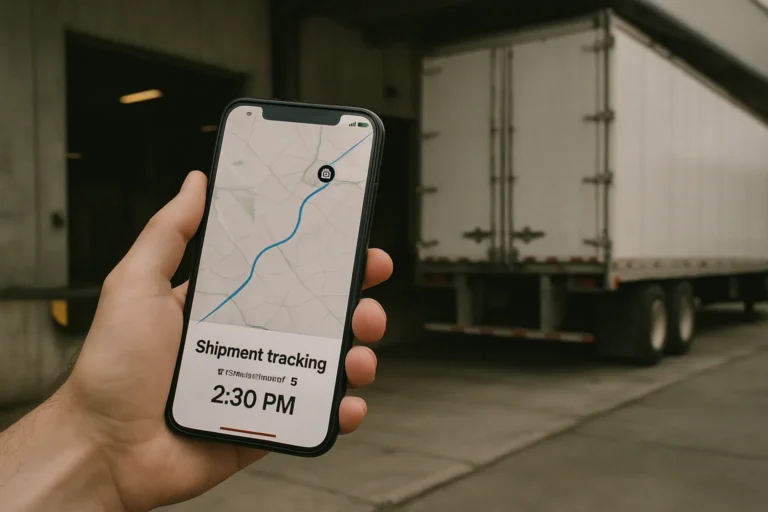
Most brokers already know this in their gut. The hard part is mechanical: you cannot warn a shipper about a slipping ETA you cannot see. If your first signal that a load is late is the shipper’s phone call, you have already lost the timing battle before you pick up. The fix starts upstream, with real-time load visibility from LBoard that surfaces a slipping ETA while you still have room to get ahead of it. Everything below assumes you can see the problem coming. That assumption is the whole game.
Informing versus explaining
When you call first, you are informing. You hold the facts, you set the frame, and you offer the next step. When the shipper calls first, you are explaining, and explaining always sounds like an excuse no matter how good your reason is. The shipper has already felt the friction, already pulled up your number, already started to wonder whether you have a handle on their freight. By the time you answer, the conversation is about your reliability, not about one truck.
That is why the timing matters more than the apology. A delay handled early reads as competence under pressure. The same delay surfaced by the shipper reads as a broker who was not paying attention. We made the related case for replacing reactive status emails in our piece on shareable tracking links, and the principle is identical here: control the moment the shipper learns the truth, and you control the relationship.
A late load you called about is a story the shipper tells as “they stayed on top of it.” A late load they called you about is a story they tell as “I had to chase them.”
Why proactive beats reactive, in plain numbers
This is not a soft skills argument. Consumers consistently forgive delays they were warned about. In a study of 1,000 US shoppers released this year, logistics firm Locus found that 93% of US consumers say proactive updates help offset the negative experience of a late delivery. Freight shippers are not retail consumers, but the human math is the same. A delay you name first is a manageable event. A delay the customer discovers on their own is a trust problem, and trust problems do not stay contained to one load.
The takeaway for a broker is simple. The penalty for being late is small and recoverable. The penalty for being late and silent is large and compounding. Visibility is what lets you sit on the right side of that line every time, because you cannot get ahead of a problem you find out about last.
How to run the proactive late call
When your tracking flags a load that will miss its window, do not wait to see if it recovers. Run the call while you still have options. Here is the sequence that keeps you in front of it.
- Catch the slip early. The moment your ETA shows the appointment is at risk, treat it as a real exception, not a maybe. The earlier you act, the more of the situation you can still change. A two-hour head start is the difference between rescheduling and apologizing.
- Confirm before you call. Get the carrier’s current position and a realistic revised ETA in hand. Do not call the shipper with “it might be late.” Call with “it is running about three hours behind, here is where the truck is right now, here is what that means for your dock.”
- Make the call first, fast. Reach the shipper before their receiving team flags the no-show. The goal is for your update to arrive before their question does. One clear call now prevents three defensive ones later.
- Lead with the fact, not the apology. Open with the situation and the new ETA, then the cause briefly, then the plan. “Your 2 p.m. is now tracking for 5. Weather slowed the truck near Amarillo. Driver is rolling, I will confirm the revised dock time within the hour.” Facts first reads as control. A long apology first reads as panic.
- Offer the next step, not just the bad news. Bring a recommendation: hold the original appointment, reschedule receiving, or split the delivery. Shippers want a path, not a problem dropped in their lap. You are the operator here, so operate.
- Give them a way to watch it themselves. Share a live tracking link so the shipper can see the truck move without calling you again. Self-serve visibility turns the rest of the delay into a non-event instead of a series of check-ins.
- Close the loop on arrival. When the truck delivers, send one confirmation. The follow-through is what converts a handled delay into a reason the shipper trusts you with the next load.
A script you can actually use
Keep it short, factual, and forward-looking. Something like: “Hi Dana, calling proactively on PO 4471. The truck hit weather outside Amarillo and is running about three hours behind, so the 2 p.m. is now tracking for around 5. Driver is moving and I am watching it live. Do you want to keep the original window and have the truck wait, or should I work a new receiving time with your dock? I will send you a tracking link so you can see it move, and I will confirm the dock time within the hour.” That is a broker in control of a bad situation, which is exactly what a shipper wants to hear.
You are not calling to apologize for the weather. You are calling to show the shipper that someone is steering the load, and that someone is you.
What separates the brokers who get this right
The proactive call only works if it is genuinely proactive. Make it after the shipper already knows and it is just a slower apology. The brokers who consistently win this moment share a few habits, and none of them require more staff.
- They treat a slipping ETA as an exception to act on, not a number to monitor and hope about.
- They call the shipper with a revised ETA and a plan in hand, never with a vague “it might run late.”
- They lead with facts and the next step, keeping the apology to a single line.
- They share a live tracking link so the shipper stops needing to ask “where is it now.”
- They confirm on delivery, closing the loop instead of letting silence imply nothing went wrong.
- They never let the shipper’s receiving team be the first to discover the load is late.
What ties all of that together is visibility. Every habit above depends on knowing a load is in trouble before the shipper does. Without that, the best communication discipline in the world still fires too late, because you are reacting to a phone call instead of a tracking alert.
Where LBoard fits
This is the exact job LBoard is built for. Real-time tracking surfaces a slipping ETA while you still have room to act, so a late load becomes a heads-up call you place rather than an apology you owe. Shareable tracking links let the shipper watch the truck themselves, so a delay never turns into a string of “where is it now” calls. It is not an enterprise supply-chain suite and does not try to be. It does the focused thing that makes the proactive call possible, which is letting you see trouble first, on pay-as-you-go pricing with the first loads free. For the full picture of how this fits a broker’s operation, see our guide to load tracking for freight brokers.
Make the first call yours
Late loads are part of freight. You will not eliminate them, and no shipper expects you to. What they remember is who told them first. Build the habit of calling before the shipper does, back it with visibility that lets you see the slip in time, and the late delivery conversation stops being a relationship risk and becomes proof that you run a tight board.
Stop finding out your loads are late from the people you were supposed to call. Get real-time load visibility with LBoard, turn it on this week, and make sure the next late delivery conversation is one you start.
 SHIPPER RELATIONS
Customer Reporting and QBRs: Turning Tracking Data Into Account Reviews
 SHIPPER RELATIONS
Onboarding a New Shipper Account: The First 30 Days of Visibility
 SHIPPER RELATIONS
Why Brokers Are Replacing Status Emails With Shareable Tracking Links (2026)
Stop checking. Start tracking.
25 loads free. All features. No contract. Go live in minutes.