

 Get the app
Onboarding a New Shipper Account: The First 30 Days of Visibility
The first load a new shipper hands you is a test, and they already know how it usually goes. They have been burned by a broker who went quiet at the worst possible moment, so they are watching how you handle the boring part: where is the truck, is it on time, and do I have to call to find out. Win that month and the next account is yours to lose. The first 30 days of a new shipper relationship are not about price or capacity. They are about whether the shipper can stop worrying, and visibility is how you get them there fast.
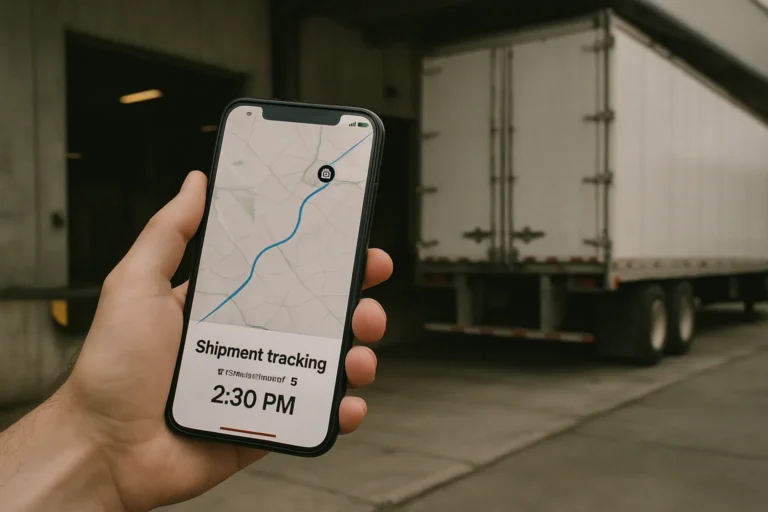
A new account does not give you their whole book on day one. They give you a load or two, watch closely, and wait to see if they can relax. Every status update they did not have to chase is a small deposit of trust. The fastest way to make those deposits is to give them their own line of sight into their freight, so the first thing to set up is shareable real-time tracking with LBoard before the first truck even rolls. When a shipper can answer “where is my freight” themselves, you have removed the single most common reason new accounts go cold.
Why the first 30 days decide everything
Retention research keeps landing on the same point: the early window is where relationships are made or quietly lost. Roughly 63% of customers factor the onboarding experience into whether they stick with a vendor, per Wyzowl’s research. Freight is no different. A new shipper has not built any habit of trusting you yet, so a single “let me check and call you back” carries far more weight in week one than it would after a year of clean loads.
That is why the work in this window is mostly about removing surprises. You are not trying to dazzle anyone. You are trying to make the experience so quiet and predictable that handing you more freight feels obvious. The broker who sets up visibility on day one is the broker who never has to be chased, and not being chased is what a new shipper is actually shopping for.
A new shipper is not testing whether you can move a load. They are testing whether they can stop thinking about it once they hand it to you.
The 30-day onboarding playbook
Here is the sequence that turns a cautious first load into a growing account. None of it is heavy. Most of it is setup you do once, then let run while the freight moves.
- Days 1 to 3: set up tracking access before the first load. Get the shipper their own view of their freight on day one, not after the first problem. Create the account, generate a shareable tracking link, and walk them through it in two minutes on the kickoff call. The goal is that they never have to email you for a status because they already have the answer in front of them.
- Days 1 to 3: agree on the status cadence in writing. Ask one question on the kickoff call: how often do you want to hear from us, and on what. Some shippers want pickup-and-delivery confirmations only; others want a heads-up on anything running late. Write it down, then deliver it exactly. A cadence you set and keep beats a flood of updates nobody asked for.
- Days 4 to 10: run the first loads with proactive, not reactive, updates. On the early loads, you tell them before they ask. Truck assigned, picked up, on the way, delivered. The shipper should feel like the freight is being watched without having to watch it. This is the habit that replaces the status email entirely, and we made the full case for it in why shareable tracking links replace status emails.
- Days 4 to 10: surface the first problem load the right way. Something will run late or tight in the first two weeks. That moment is not a risk, it is your best opportunity. Call them before the appointment is missed, tell them what you are doing about it, and let them see the truck moving on their link. A problem handled in the open during week one buys more trust than ten clean loads.
- Days 11 to 20: set reporting expectations early. Tell the shipper what you will report and when. On-time percentage, exceptions, and any detention you tracked. Even a short weekly recap signals that you are measuring the same things they care about. A new account that sees you keeping score is a new account that starts to relax.
- Days 11 to 20: capture timestamps from load one. Track arrival and departure on every load from the start, even when nothing goes wrong. The first detention dispute or service question will come, and a new shipper judges you hard on whether you have the evidence. Clean records early mean you are negotiating from facts, not memory, the first time it matters.
- Days 21 to 30: review the month and ask for the next lane. Close the first 30 days with a short review: here is what we moved, here is the on-time number, here is what we tracked. Then ask for the next lane. An account that has watched a clean, visible month rarely says no, because you have already shown them the part they were nervous about.
What “good visibility” looks like to a new shipper
Brokers think about visibility as a tracking feature. New shippers experience it as a feeling: I do not have to babysit this. The two are connected, but the second one is what retains the account. Here is what that feeling is actually made of in the first month.
- They can see their freight without logging into anything or emailing for a status.
- They hear about a late load from you, before the appointment is missed, not after.
- The update cadence matches what they asked for, every load, without reminders.
- Pickup and delivery are confirmed automatically, so silence never means uncertainty.
- Arrival and departure timestamps exist on every load, so disputes are settled with facts.
- The first monthly recap shows numbers, not adjectives, and lines up with what they saw.
Notice that none of this requires heroics. It requires setup on day one and discipline for 30 days. The broker who builds these habits early stops spending the relationship’s first month firefighting and starts spending it earning the next lane.
The accounts that grow are not the ones who got the lowest rate. They are the ones who stopped worrying first.
The retention math of a good first month
The early window is unforgiving on the downside too. Industry estimates put a large share of customer churn inside the first 90 days, which means the relationship is most fragile exactly when you have the least history to fall back on. A new shipper has no reason to give you the benefit of the doubt yet. One bad surprise, handled badly, and the next load quietly goes to whoever answered “where is my freight” the first time it was asked.
Visibility flips that fragility into momentum. Every quiet, tracked load in the first month is a reason for the shipper to route a little more your way. By day 30 you are not asking them to trust you on faith. You are asking them to keep doing something that already worked. That is a much easier yes, and it is the difference between a one-load trial and an account that compounds.
Where LBoard fits in onboarding
LBoard is built for exactly the job a new account demands: real-time tracking you can stand up before the first load, shareable links that give a shipper their own view without a login, and automatic status that lets you be proactive instead of reactive from day one. It is not an enterprise supply-chain suite and does not pretend to be. It does the focused thing that makes a new shipper feel safe, which is knowing where every load is and letting them see it too, on pay-as-you-go pricing with the first loads free. For the wider picture, our pillar on load tracking for freight brokers covers how this fits the rest of your operation.
Set up the first 30 days on purpose
A new shipper account is too valuable to leave to whatever your operation does by default. The first month is short, the freight is light, and the shipper is paying close attention to exactly the part most brokers treat as an afterthought. Set up tracking access on day one, agree on a cadence and keep it, surface the first problem in the open, and close the month with numbers. Do that and the second load is rarely the last.
Give your next new account a clean, visible first 30 days. Start with real-time, shareable tracking from LBoard, turn it on before the first truck rolls, and let the visibility do the work of earning the rest of the book.
 SHIPPER RELATIONS
Customer Reporting and QBRs: Turning Tracking Data Into Account Reviews
 SHIPPER RELATIONS
The Late Delivery Conversation: Handling It Before the Shipper Calls
 SHIPPER RELATIONS
Why Brokers Are Replacing Status Emails With Shareable Tracking Links (2026)
Stop checking. Start tracking.
25 loads free. All features. No contract. Go live in minutes.