

 Get the app
Fictitious Pickups on Brokered Loads: What Tracking Can and Cannot Verify at the Shipper
Tracking can prove that the phone you sent a link to is at the shipper, when it arrived and where it goes next. It cannot prove who is holding that phone, or that the number ever belonged to the carrier you booked. The checks that matter most happen before the truck arrives: where the driver’s phone number came from, and whether the shipper’s dock knows what truck and driver to expect.
A fictitious pickup is cargo theft by paperwork. Someone poses as the carrier you booked, shows up at the shipper with documents that look right, and leaves with the load. CargoNet describes it as a specialized form of theft that takes skill in document forgery and internet fraud, plus a place to store the freight and buyers to sell it to.
For a broker, the uncomfortable part is that a fictitious pickup can look normal on a tracking screen. The driver accepts the link, the phone pings at the shipper on time, and the load starts moving. This guide covers the moment of pickup: what tracking data can confirm there, what it cannot, and the checks that close the gap. If the problem you are dealing with is a load handed to another carrier after booking, our guide to double brokering and load tracking covers that case.
How does a fictitious pickup get to the shipper’s dock?
The thief needs the load booked to an identity the broker trusts. The schemes described by insurers and law enforcement mostly differ in where that identity comes from:
- Posing as a real carrier. AXA XL describes thieves impersonating existing trucking companies, and reviving defunct companies with dormant operating authority so the paperwork shows a long record.
- Taking over a carrier’s accounts. In an April 2024 alert reported by Land Line, the FBI described criminals taking over carrier administrator accounts or accounts with third-party transportation services, then changing the contact details to a phone number and email they control.
- Getting the pickup number. The same alert describes a “Good Samaritan” version: criminals contact a carrier, say they have a driver nearby who can take the shipment, and talk the carrier’s staff into giving them the shipper’s pickup number.
In every version, the person who arrives at the dock has information that only the real carrier should have. That is why a clean booking is not proof on its own.
What can tracking verify at pickup?
Tracking sees a phone, not a person or a truck. Within that limit, it answers useful questions:
- The phone you sent the link to is at the shipper. An arrival at the right address, at the expected time, matches the booking.
- When it arrived and left. Timestamped events give you a record of the stop that does not depend on anyone’s memory.
- Where the load goes next. After pickup, a route that heads away from the consignee, or a stop where none was planned, shows up as data instead of a hunch.
- Whether the driver agreed to share. A driver who accepts the link and keeps location on is behaving like a real carrier’s driver. A refusal at pickup is worth a call before the load leaves.
What can tracking not verify?
This is where fictitious pickups get through. Tracking cannot tell you:
- Who is holding the phone. A thief can accept a tracking link as easily as a driver can.
- Whose number it is. If the number came from an account the thief took over, you are tracking the thief, and every ping confirms the wrong thing.
- Which truck is at the dock. A phone at the shipper says nothing about the tractor, the trailer or the plates.
- That the load went on the right truck. The phone and the freight can separate. Tracking follows the phone.
So a green check at pickup means “the number you entered is at the shipper”. It is only as strong as the reason you trust that number.
Where did the driver’s phone number come from?
This is the single question that decides whether tracking helps or misleads. Compare the number you are about to track against a source the thief does not control:
- The carrier’s public record. FMCSA’s public carrier census lists a phone number for each USDOT number. If the number in the booking email does not match it, call the number on record and ask whether the load and the driver are theirs.
- Your own history. If you have moved freight with this carrier before, compare against the contact you used then.
- Recent changes. The FBI alert lists unexpected changes in business contact information or login credentials among the warning signs. A carrier whose phone and email changed last week deserves a callback on the old number.
Do this at booking, before the link goes out. Our checklist for vetting a carrier before you hand off a load covers the rest of the pre-booking checks.
LBOARD tracking starts with a shipment and the driver’s phone number. Every event is timestamped, and delays and route deviations are flagged in real time. Start free with 25 loads, all features, no contract.
What should the shipper’s dock check?
The broker cannot stand at the dock, so the dock needs to know what to expect. Before the pickup appointment, send the shipper the carrier name, MC and USDOT numbers, driver name, and truck and trailer numbers you were given. Then the dock can compare instead of guessing.
Insurers recommend going further at release. AXA XL, citing the Journal of Commerce, lists asking the driver for several forms of ID including a government ID and a company ID, taking a clear photo of the driver, checking the bill of lading, and photographing the truck and license plates. Photos matter twice: they let you compare against the booking now, and they give police something to work with if the load is stolen anyway.
| At pickup | What tracking shows | What it does not prove | What closes the gap |
|---|---|---|---|
| Arrival at the shipper | The tracked phone reached the address, with a time | Who is holding the phone | Driver ID and photo checked by the dock |
| Driver accepted the link | Someone with that number agreed to share location | That the number belongs to the carrier | Number matched to the carrier’s public record or your history |
| Truck at the dock | Nothing about the truck itself | Tractor, trailer, plates | Numbers sent to the dock in advance, plates photographed |
| Departure | The phone left the shipper | That the freight is on the same truck | Seal number and BOL photo from the dock |
| First miles | Direction of travel and stops | That anyone is watching | An alert on route deviation, and someone who acts on it |
Scroll sideways on a phone to see all four columns.
What do you do when something does not match?
If the driver, truck or number at the dock does not match the booking, ask the shipper to hold the load and call the carrier on the number from its public record, not the one in the booking thread. A real carrier can confirm a changed truck or driver from its own phone line.
If the load has already left, speed matters. AXA XL’s advice is not to delay reporting to law enforcement, because even a short delay can mean the shipment is not recovered. It also points to theft reporting services such as CargoNet. Give investigators what you have: the tracking history from the stop, the photos from the dock and the booking records. Our piece on how cargo theft starts with lost visibility covers what to do once a load has gone quiet.
Where does LBOARD fit?
LBOARD is real-time freight visibility for brokers. You go live with a shipment and the driver’s phone number, with no IT and no integration needed to start. Tracking is consent-based and encrypted, all events are timestamped, and access is role-controlled. Delays and route deviations are flagged in real time, and digital docs come with a verifiable trail.
It cannot tell you who is holding the phone, and no tracking platform can. What it gives you is a timestamped record of the stop and an alert when the load goes somewhere it should not, on the number you checked. The first 25 loads are free with all features and no contract.
Frequently asked questions
What is a fictitious pickup in trucking?
A theft where someone poses as the carrier assigned to a load, arrives at the shipper with documents that look legitimate, and drives away with the freight. The broker and shipper hand over the load believing it went to the booked carrier.
Can load tracking prevent a fictitious pickup?
Not on its own. Tracking confirms where a phone is, not who holds it. It helps when the phone number was checked against a source the thief does not control, and when someone acts on a route deviation after pickup.
What should a shipper check before releasing a load?
Compare the carrier name, MC and USDOT numbers, driver name, and truck and trailer numbers against what the broker sent in advance. Check the driver’s ID, take a photo of the driver, and photograph the truck, plates and bill of lading.
What should a broker do if a load was picked up by the wrong carrier?
Report it to law enforcement right away and call the real carrier on the number from its public record. Hand investigators the tracking history, dock photos and booking records.
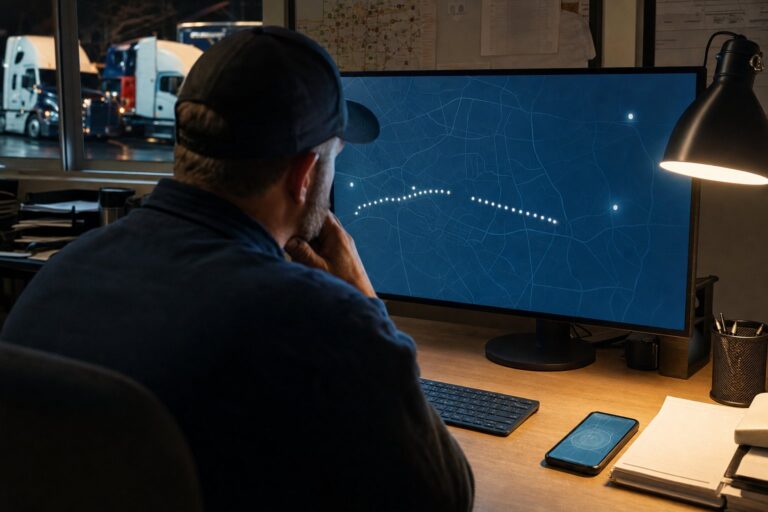 OPERATIONS
Can You Trust Load Tracking Data? What to Check About Update Intervals, Gaps, Consent and Timestamps Before You Buy
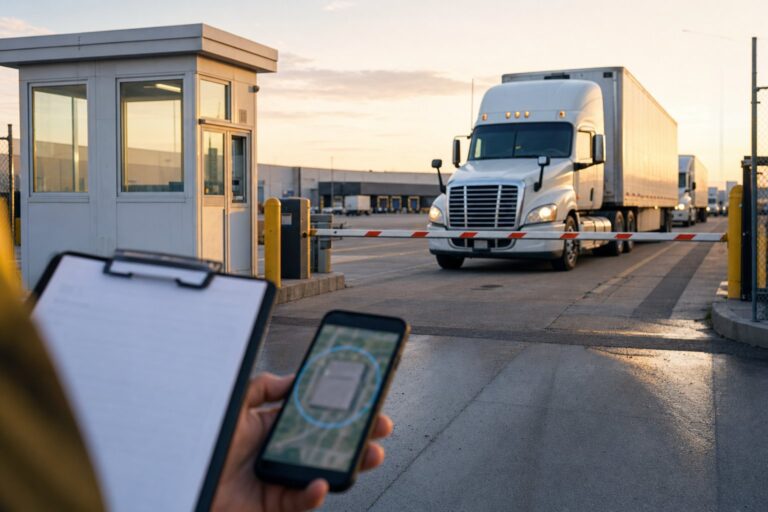 OPERATIONS
When the Gate Log, the BOL and the Tracking Timestamp Disagree: Settling Pickup, Delivery and Detention Disputes
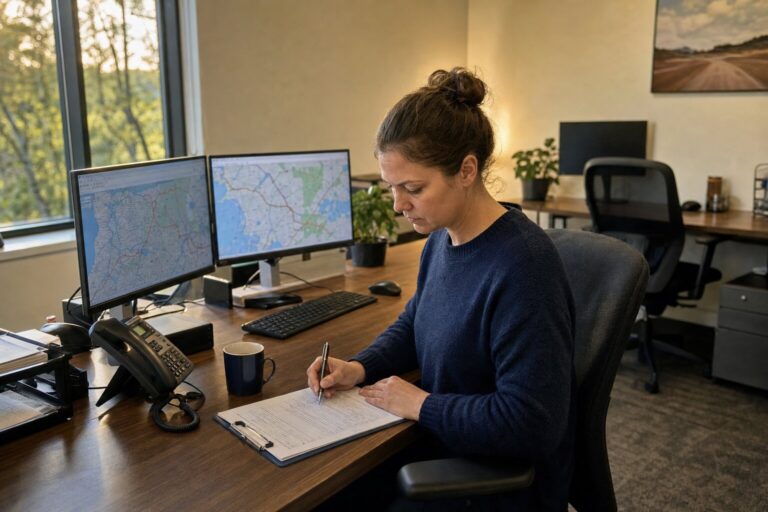 OPERATIONS
How to Pilot a Load Tracking Platform Before You Sign: A 25-Load Test Plan
Stop checking. Start tracking.
25 loads free. All features. No contract. Go live in minutes.